
Rejection Sensitive Dysphoria and ADHD: Understanding Emotional Regulation
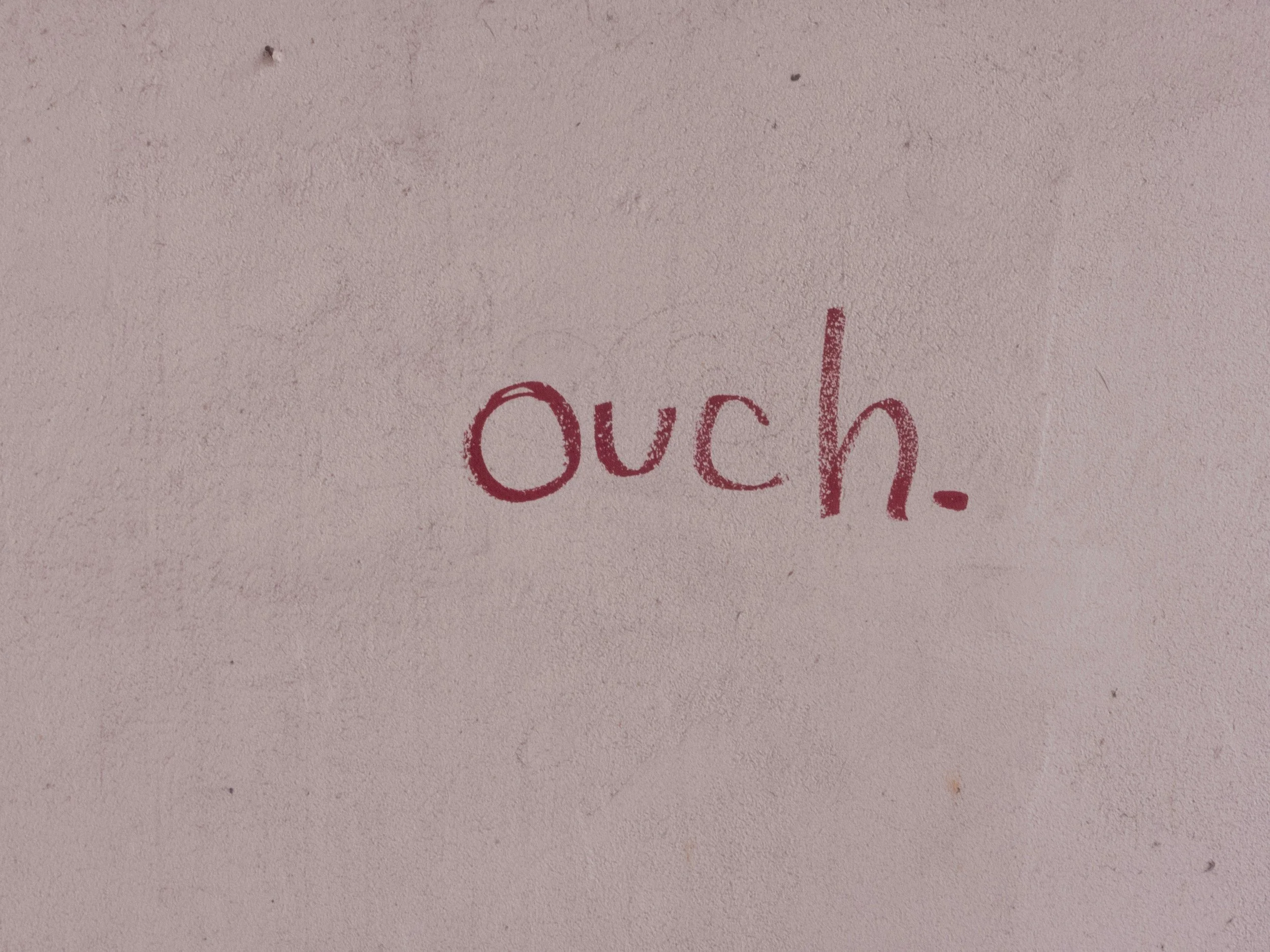
It’s like that, huh? …Or is it?
Have you ever experienced negative feedback or disappointment and felt like it hit you like a ton of bricks? A short text from your partner leaves you wondering if they’re upset with you, constructive feedback at work makes you question if you’re in the right career, or a mistake quickly turns into, “I’m a failure.”
If you have ADHD, you may have come across the term rejection sensitive dysphoria (RSD) to describe this experience. While RSD is not an official diagnosis, many people in the ADHD community find the term helpful for describing intense emotional reactions to perceived or actual rejection, criticism, disappointment, or failure.
RSD describes a deep level of emotional pain, triggered by real or perceived rejection or criticism, that goes beyond a typical feeling. People who experience it often describe it less as "feeling sad" and more as a physical ache: a pit of despair in the chest, their whole body shrinking, their heart dropping.
Others may respond by becoming defensive, over-apologizing, people-pleasing, or avoiding situations where they might be judged.
RSD differs from social anxiety or phobia; social phobia includes anticipatory anxiety before the event or interaction. Rejection sensitive dysphoria is triggered by the perceived or real loss of approval or respect.
RSD is one of the most-searched, most-discussed terms in the ADHD community, because the term resonates with many folks who have ADHD, a kid with ADHD, or a partner with ADHD. While clinicians vary on its clinical use, colloquially, it can help guide therapy treatment for ADHD to give voice to individual experiences.
How Are ADHD and Rejection Sensitivity Connected?
A term called Deficient Emotional Self-Regulation (DESR) has been gaining traction in ADHD research regarding the interplay of ADHD and emotional regulation, especially by Dr. Russell Barkley, one of the pioneers of ADHD work. DESR explores the brain circuitry involved in ADHD and emotional self-regulation, and includes an individual having a hard time with emotional impulsiveness (low frustration tolerance, impatience, quick to anger), self-soothing abilities, ability to refocus attention after a heightened emotional response, and the ability to develop better emotional responses. RSD would fall under the umbrella of DESR.
Emotional regulation can be a significant part of the ADHD experience, which is agreed upon by most experts who treat ADHD, even though it isn’t considered a core diagnostic symptom. Many people with ADHD describe experiencing emotions intensely and having difficulty slowing down their initial reaction before responding.
In RSD, there is a common cycle: something happens, the brain quickly interprets it as rejection or failure, a strong emotional response follows, and only later is there enough space to consider whether the original interpretation was accurate. This could be accompanied by shame, embarrassment, isolation, and conflict.
As opposed to being ‘dramatic’ or ‘too sensitive’, the response is a result of an intense feeling and lack of ability to self soothe, shift perspectives, regulate, and put space between the event and the reaction. In ADHD, structural differences in the brain impact the interplay and functioning of the emotional circuitry and decision making. The limbic system detects fear and threats, and processes emotional responses, while the prefrontal cortex (PFC) is the rational part of the brain that determines context and regulates impulsive behavior. Structural differences in neurophysiology of an ADHD brain could account for difficulties in emotional regulation, and thus, contribute to what we have now coined RSD.
What Does Rejection Sensitivity Look Like?
Rejection sensitivity can show up in many different areas of life.
In relationships, a delayed text, change in tone, or perceived distance from a partner or friend may quickly lead to thoughts that something is wrong or feelings of anger.
At work, constructive feedback may feel deeply personal. Some people respond by overworking or striving for perfection, while others avoid speaking up, asking for help, or pursuing opportunities because of the possibility of being judged.
When trying something new, the fear of failing or looking foolish can become so uncomfortable that avoiding the situation feels safer. This can make it difficult to pursue career changes, relationships, hobbies, or other goals, and can feel super heavy during times of transition like the quarter-life crisis. Embarrassment can quickly lead to feelings of anger.
With self-esteem, a single mistake can quickly become a much bigger judgment about yourself. Instead of thinking, “I made a mistake,” the thought may become, “I always mess things up,” or “I’m not good enough.”
Over time, these patterns can affect relationships, confidence, decision-making, and overall quality of life.
How Can Therapy Help With ADHD and Rejection Sensitivity?
Individual therapy can provide a space to better understand these patterns and develop practical strategies for responding differently.
One helpful starting point that can be explored in therapy is learning to notice what happens between a trigger and an emotional reaction. When you notice a strong response, you might pause and ask:
What is the story that I am telling myself about what happened?
Is there a more generous explanation?
What would I say to someone I care about in this situation?
Therapy can also address emotional regulation, negative self-talk, perfectionism, self-esteem, relationship patterns, and difficulty tolerating uncertainty. Cognitive behavioral therapy (CBT), for example, can help identify unhelpful thinking patterns and develop more balanced ways of interpreting difficult situations. Mindfulness-based stress reduction (MBSR) can assist you in building a pause before reactions, grounding, and calming the nervous system.
The goal of therapy could be to help you feel empowered and more intentional in your actions and responses, building new patterns after practicing over time.
Finding an ADHD Therapist in Northwest Chicago
If you're looking for an ADHD therapist in Chicago, including locations in Logan Square and Avondale, Common Thread Counseling Chicago has therapists who can hold space for you to explore rejection sensitivity, emotional regulation, self-esteem, relationships, and the ways ADHD may be affecting your everyday life.
Understanding your patterns and developing new ways of responding can make a meaningful difference. Many people with ADHD experience co-occurring disorders. Therapy can also be helpful for social anxiety, depression, or trauma responses, as well as providing other tools and referrals for management.
If rejection sensitivity or ADHD-related emotional challenges are affecting your quality of life, consider reaching out to a therapist who has experience working with adults with ADHD.
This post is for general information and is not a substitute for individualized mental health care.