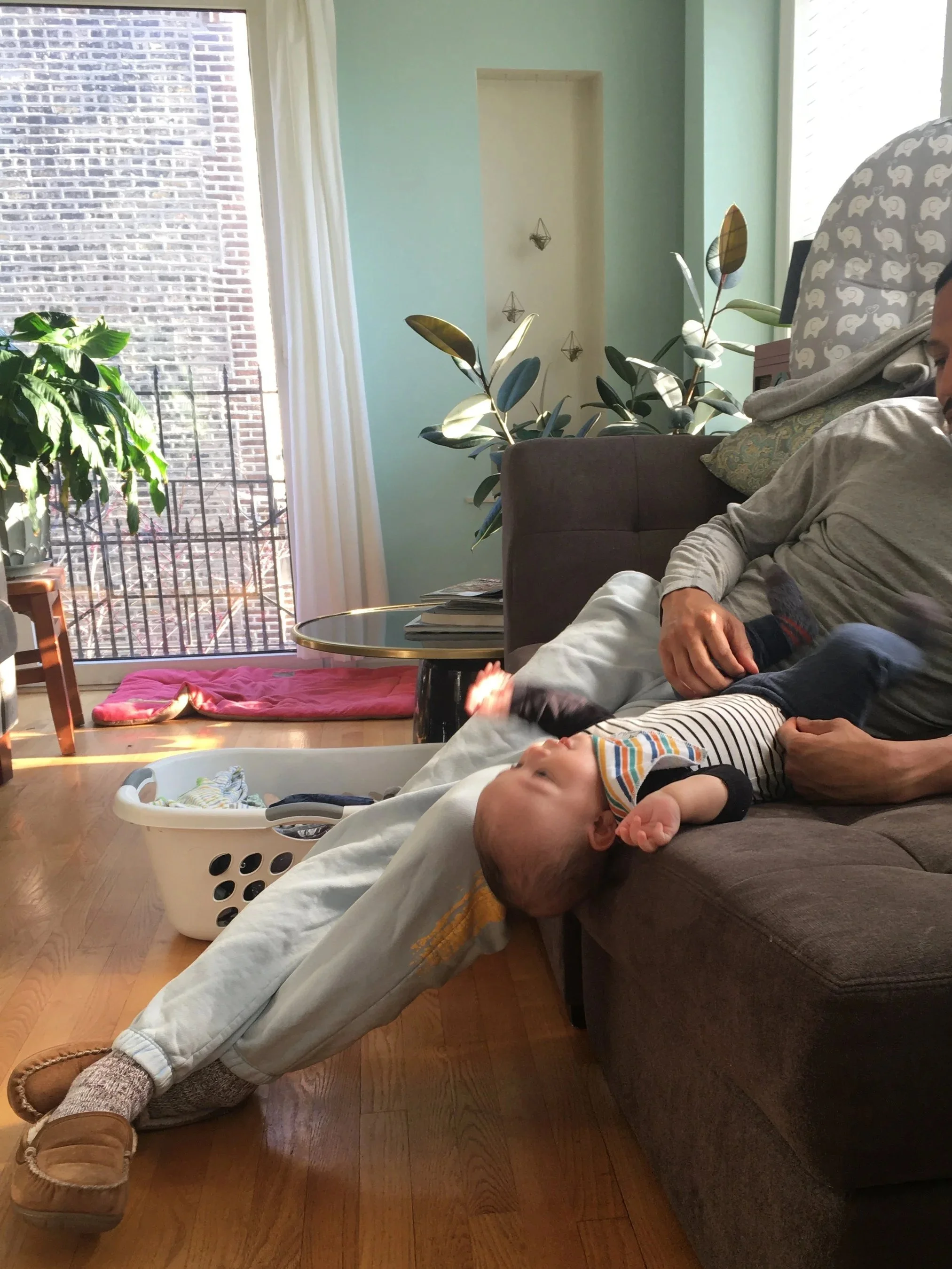
Therapy for Dads in Chicago
Identity-affirming and neuro-affirming care in an inclusive environment in Logan Square and Avondale

Becoming a father can be a whole lot to navigate.
Sometimes, men don’t feel prepared to talk about the harder, more vulnerable, and confusing parts.
This could include:
postpartum depression and anxiety
postpartum PTSD (witnessing your partner’s traumatic birth and delivery, complications with your partner or baby, a NICU experience)
shifts in role expectations
relationship strain with a partner as roles and intimacy change
financial pressure and provider anxiety
grieving your relationship and freedom pre-kid

It is also common to feel uncertainty about what kind of father you want to be.
You might be asking yourself, what are Big Little Feelings? Who is this Dr. Becky?
Many new dads also feel pressure to "hold it together" for their partner and family, potentially leading to isolation, anxiety and depression.
Common Thread Counseling Chicago provides a nonjudgmental space to talk through the challenging and rewarding parts of fatherhood, and move through parenthood with intention, purpose, and meaning.
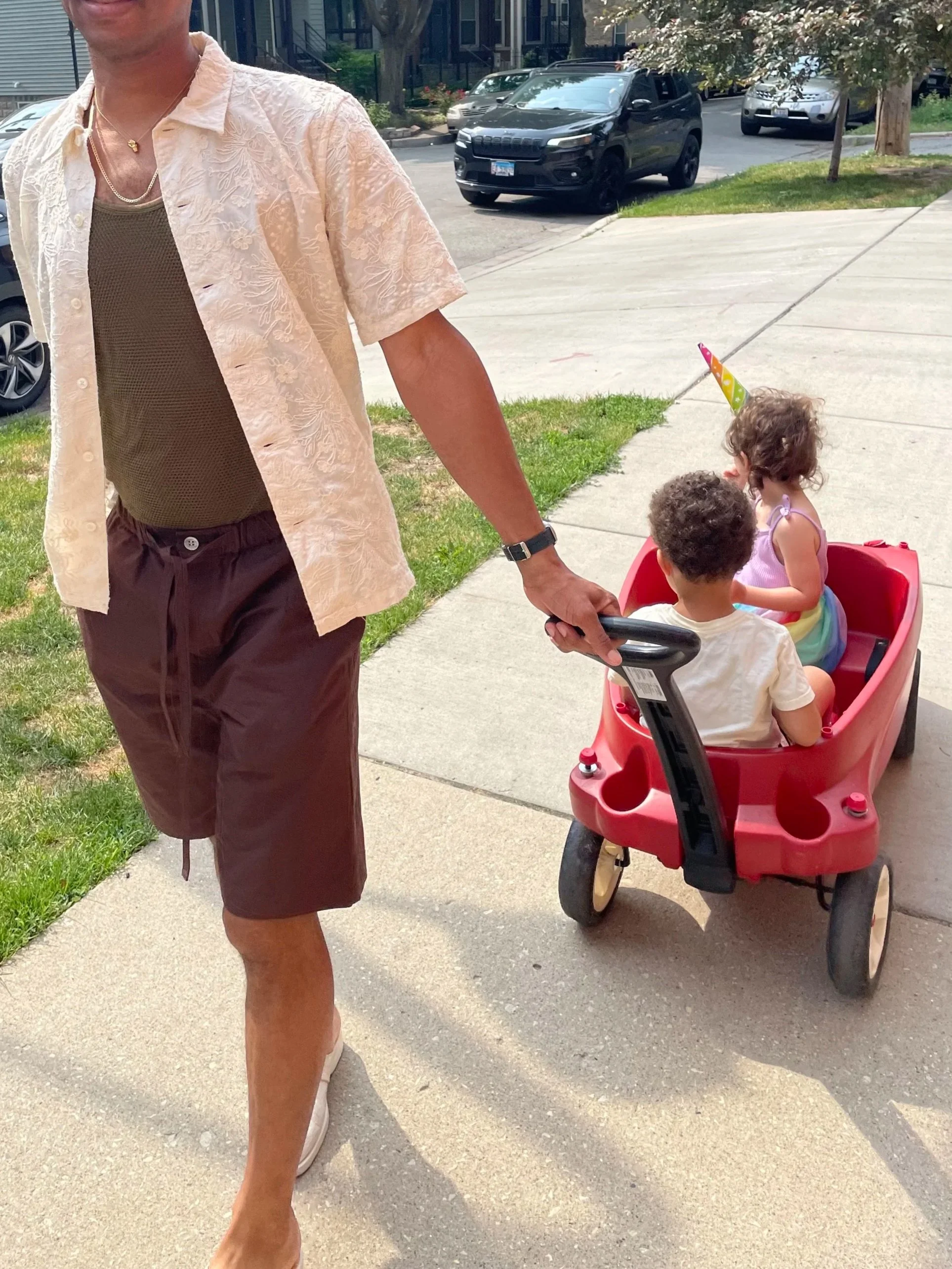
Our Approach to Therapy for Dads
Therapy with Common Thread Counseling provides new fathers a space to process feelings without fear of being judged as a “bad” father or partner for having those feelings.
We can help you sort out which of your struggles are situational (sleep deprivation, adjustment stress) versus something like postpartum depression, PPTSD, PPOCD, or postpartum anxiety.
The transition to becoming a father can bring up your own ‘stuff.’ This could include childhood experiences that have shaped your own development, as well as patterns and cycles that you would like to change as you enter your own journey into parenthood.
We can explore parenting throughout your child’s lifespan, as each stage (newborn, infant, toddler, school-aged, teenager, young adult) brings its own set of challenges.

Tools we use include:
Cognitive behavioral therapy (CBT) to address anxious or catastrophic thinking ("I'm going to mess this up," "I should be handling this better") to help you build more balanced, realistic self-talk.

Interpersonal Therapy (IPT), which focuses on the relational shifts of new parenthood, particularly changes in the couple's relationship and social support network.

Acceptance and Commitment Therapy (ACT) which helps make room for difficult emotions while staying connected to your values as a partner and parent, and psychodynamic or attachment-focused therapy to explore your early attachment experiences and how they might be showing up in how you bond with your child.

A couples-informed lens, which can help you with communication and teamwork with your partner during this transition, as well as solution-focused brief therapy - which is useful for dads who want practical, short-term tools to manage a specific stressor (sleep, conflict, anxiety) rather than long-term exploratory work.


Practical Skills We Help You Develop:
recognizing and developing emotional language
stress management
communication skills for negotiating division of labor and emotional needs with a partner
self-compassion
realistic expectation-setting (embracing ‘good enough’ and focusing on repair over perfection
building a support network
setting boundaries with work or family