
Staying Connected, Finding Meaning: Continued Bonds and the Sixth Stage of Grief
Culturally, we shy away from talking about grief, death, and loss, because it feels uncomfortable and awkward. But it’s important to have others bear witness to your grief as part of the process.
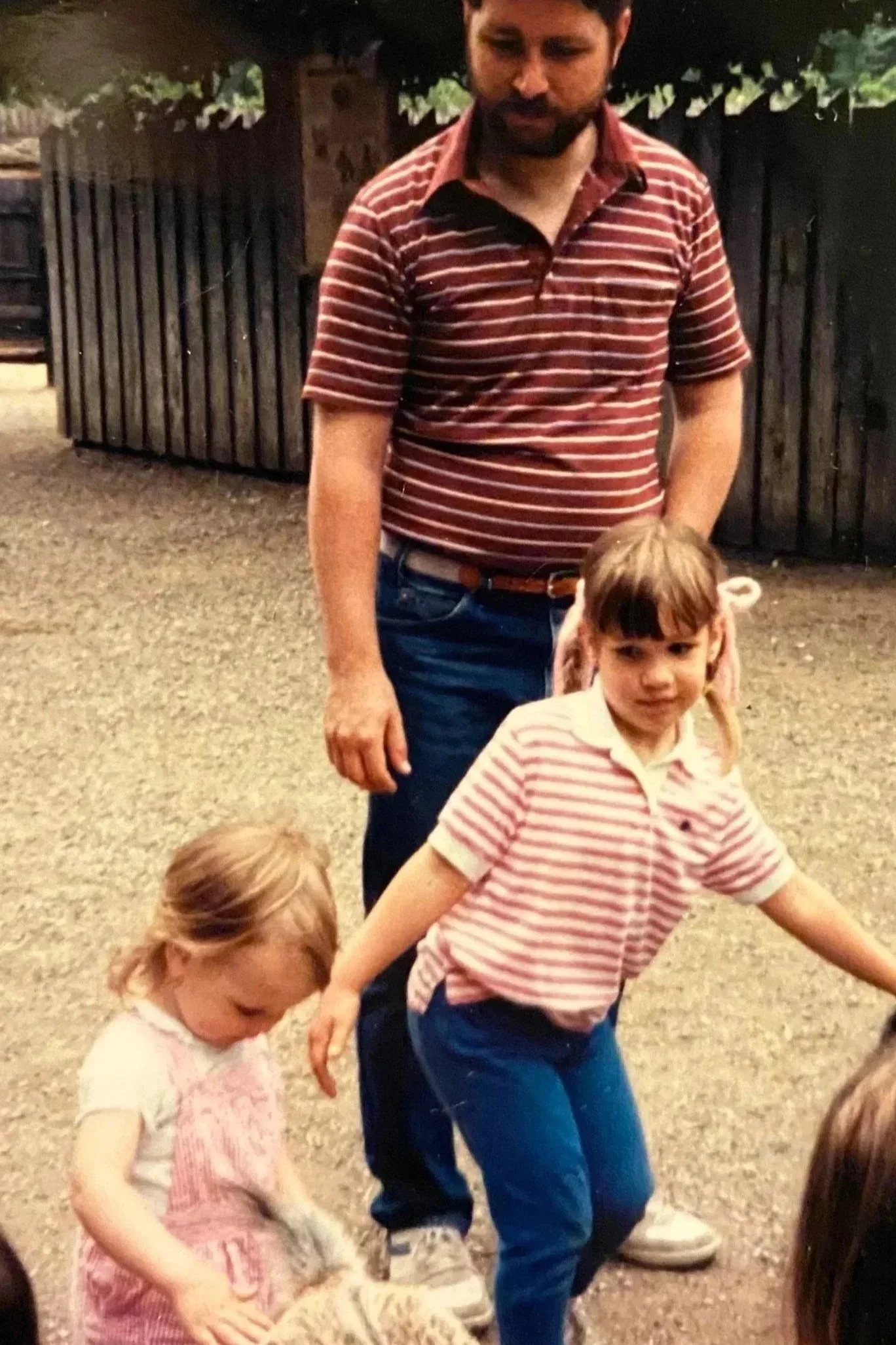
Stripe game strong.
Things we will not say at Common Thread Counseling Chicago when we are assisting you in working with grief and loss:
“Everything happens for a reason.”
“They’re in a better place.”
“Time heals all.”
“Stay strong.”
“At least…”
Why? Because that feels dismissive. Grief and loss can feel consuming. Feeling misunderstood can lead to more complicated feelings, anger, and isolation, prolonging the dysfunction that can accompany grief.
Culturally, we shy away from talking about grief, death, and loss, because it feels uncomfortable and awkward. But it’s important to have others bear witness to your grief as part of the process.
Popular understanding of grief can typically center on the idea of "letting go." Healing means closure. Many people use the phrase ‘moving on’ after grief, which, to many, feels like forgetting. Two influential frameworks in modern grief work offer an alternative: continued bonds theory and David Kessler's concept of meaning-making as a sixth stage of grief. Their work supports the idea that grief, although painful, can be transformative, can assist us with living a meaningful life, and empowers us to determine the direction our relationship goes, including how this grief shows up at different stages of our own lives.
Continued Bonds: Keeping the Relationship Alive
The continued bonds model emerged in the 1990s through the work of researchers Dennis Klass, Phyllis Silverman, and Steven Nickman, who challenged the long-standing assumption that grieving "correctly" required detaching from the deceased. Their research suggested the opposite: most people naturally maintain an ongoing, evolving relationship with those they've lost, and doing so is a normal, often healthy part of adapting to loss rather than evidence of being stuck.
A continued bond can show up in different ways: talking to a loved one out loud or internally, keeping meaningful objects close, visiting a grave or a place that held significance, marking anniversaries with small rituals, sensing a parent's voice offering guidance during a hard decision, or simply carrying forward someone's values, sayings, or habits as part of daily life.
The key distinction is that a continued bond assimilates the loss while continuing meaning-making and relationship-building in daily life. A bond becomes complicated when it prevents someone from re-engaging with the world, or when it's rooted in unresolved guilt or complicated grief. Individual therapy can help you delineate between the two and provide support for you to grieve in a healthy way.
Meaning-Making: Kessler's Sixth Stage
David Kessler, who worked alongside Elisabeth Kübler-Ross on the well-known five stages of grief (denial, anger, bargaining, depression, and acceptance), later proposed adding a sixth: meaning. His argument, developed most fully after the death of his own son, is that acceptance alone doesn't complete the grieving process for most people. What tends to bring a deeper, more sustainable kind of peace is finding some form of meaning in the aftermath of loss.
Meaning-making isn't toxic positivity. It’s not about deciding the loss itself was good, deserved, or "meant to happen."
Meaning tends to be something a person actively builds afterward: a shift in values, a renewed sense of purpose, a way of aligning your own actions in a way that honors the person lost.
A continued bond gives someone an ongoing relationship to draw meaning from. And meaning-making often gives shape and direction to what a continued bond becomes over time.
Consider a few ways this plays out:
A relationship becomes a source of ongoing guidance. Asking "what advice would my mom have given me in this situation?" isn't just maintaining an emotional tie - they're often actively drawing meaning and direction from that relationship, letting it continue to shape their choices and values.
Rituals become a way to provide connection, have others bear witness to your grief, and acknowledge the loss. Lighting a candle while listening to their favorite song, watching their favorite movie, a yearly gathering with friends - these practices maintain a bond while also generating meaning.
Legacy work bridges both frameworks. Writing letters to the deceased, creating a scrapbook, or continuing a loved one's project are acts that simultaneously preserve connection and construct meaning out of loss.
Identity shifts get anchored by both. Grief often shapes our understanding of ourselves. Meaning-making and continued bonds assist with a deeper understanding.
What This Looks Like in Therapy
At Common Thread Counseling Chicago, we often work with both frameworks. Rather than encouraging you to "let go," we will help you explore what kind of ongoing connection to the deceased feels sustaining rather than avoidant. We can help you establish rituals and seek out support systems. You can spend time talking through different memories and storytelling. We will celebrate when you’re able to give yourself permission to enjoy things you used to enjoy with them.
We will give you space to be messy and talk about difficult feelings without judgment or trying to speed up the process. We can sit with you as you talk about the potential mix of devastation, guilt, jealousy, relief, resentment, or confusion.
Some issues that grief and loss therapy can help you with:
Death of a family member
Divorce or breakup
Pregnancy loss
Death of a pet
Loss of a relationship
Individual Therapy for Grief and Loss
If you’ve experienced a loss, it can be hard to ask for help. It can be scary to connect with painful parts and verbalize complicated feelings.